
Reviewed · COCOA BEACH BIOLUMINESCENCE TOURS
Bioluminescence Kayak Tour
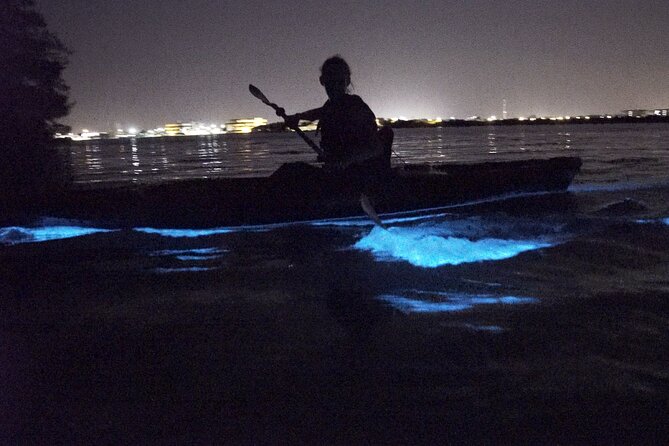
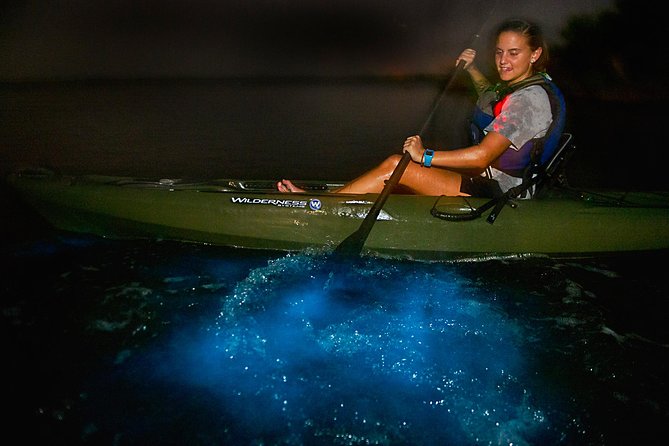
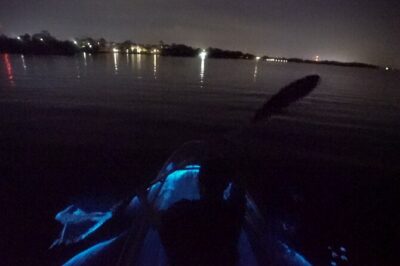
In the dark waters near Cocoa Beach, a paddle stroke can make tiny organisms flash blue-green around your kayak. In summer, the glow comes from dinoflagellates; in winter, it may come from clear comb jellies, which do not sting and can sometimes be held gently.
I like two things here: the changing seasonal show gives you a different encounter depending on when you go, and an attentive guide can turn a night paddle into a close look at the lagoon’s wildlife and ecology. Guides such as Aidan, Caleb, Zoey, and Sean have been praised for explaining the science and keeping groups together.
The main drawback is that nature sets the brightness. Winter trips can offer only a few glowing jellies, and wind, light pollution, or a rougher stretch of water can affect the outing. Choose your date with realistic expectations: this is a kayak trip first, with no guarantee of a brilliant display.
- Summer glow: Dinoflagellates are most active from May to early November, creating a cloudy blue-green shimmer.
- Winter encounters: From late November to April, you may see individual comb jellies glowing in the water.
- Wildlife along the way: Fish are common possibilities, while dolphins and manatees are occasional sightings.
- A two-hour night paddle: Kayak, paddle, flotation device, and a professional guide are included.
- Small details matter: Wear water-friendly shoes and clothes you can get wet; take a towel and spare clothes for after.
- Best for curious beginners: The paddle is manageable for many first-timers, but conditions can vary and the maximum group size is 42.
A night paddle with nature in charge
This is not a light show with a switch. The bioluminescence comes from living organisms in the lagoon, so how much you see depends on season and conditions. That uncertainty is part of the appeal, but it is also the key thing to understand before booking.
When the glow is strong, moving your paddle through the water can stir up a trail of blue-green light. In other moments, a fish may dart past or a comb jelly may appear as a small, glowing shape. If the organisms are scarce, you still get a quiet kayak outing after dark, but it may not match the dramatic image you had in mind.
A good guide helps make both versions worthwhile. Guides including Sean and Matt have been praised for explaining the biology in clear, engaging detail, while Aidan, Caleb, and Zoey have been singled out for their care and attention to group safety. The best guides help you notice what is happening around you, rather than promising a spectacle nature may not deliver.
Two seasonal shows, and why timing matters
The tour has two distinct bioluminescence seasons. From May to early November, warm water favors dinoflagellates, single-celled organisms that can produce a diffuse, cloudy blue-green glow when disturbed. This is the season to choose if your main goal is to see light spread across the water.
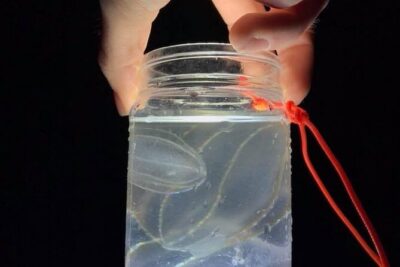
From late November to April, cooler conditions bring comb jellies into the protected waters of the Indian River Lagoon. These clear, glob-shaped animals can show individual points or bands of light. Unlike stinging jellyfish, comb jellies do not sting, and the tour description notes that you may be able to catch and hold them gently.
The two seasons offer different kinds of encounters, not simply a strong and weak version of the same one. Summer may suit you if you want the water itself to glow. Winter can be especially interesting if you want to see comb jellies up close, though the display may be more scattered.
Season alone does not guarantee a great showing. One night can bring bright plankton, glowing jellies, or both, while another may produce only a few visible flashes. If the glowing organisms are your main reason for going, ask the operator about current conditions before you commit to a date.
More bioluminescence paddles from Cocoa Beach:
- Bioluminescence Night Kayaking Tour of Merritt Island Wildlife Refuge
★ 4.5 · 605 reviews - Florida Bioluminescence Kayaking Tour (Titusville)
★ 4.5 · 350 reviews - Bioluminescent Clear Kayak Tours in Titusville
★ 5.0 · 321 reviews
Meeting at Kiwanis Island Park
The stated meeting point is 951 Kiwanis Island Park Road, Merritt Island, Florida 32953, just north of Cocoa Beach. The tour ends back at the same spot. Check your confirmation for the exact start time and meeting instructions, and verify the location with A Day Away Kayak Tours before setting out. The meeting details have caused confusion for some people booking through a third party, so a quick check can spare you a hunt in the dark.
The experience lasts about two hours, but the actual amount of paddling and the route can vary. The tour takes place on the water around Merritt Island National Wildlife Refuge, in the Indian River and Mosquito Lagoon area. The supplied details do not name a fixed series of stops, so think of it as a guided outing through suitable lagoon waters rather than a point-to-point sightseeing route.
The group limit is 42. That is a sizeable maximum for a quiet night on the water, so the guide’s ability to keep people together matters. In smaller groups, guides have been able to tailor the trip to the people present. If you are nervous about paddling after dark, tell your guide before setting off.
Getting settled before the launch
Your kayak, paddle, flotation device, and professional guide are included. A safety light is provided, too. You can bring a flashlight if you like, but it is not essential according to the tour information.
Wear clothes you do not mind getting wet. Water shoes, sandals, or Crocs that can be worn in the water are practical choices. Bring a towel to leave in your car and consider packing a full change of clothes for the ride home. A water bottle and snacks are sensible additions, particularly if you have an early dinner or a late tour time.
If it is winter, plan for the temperature on the water, not just the temperature you felt earlier on land. A February outing has felt cold to some people, even when the paddle itself was enjoyable. In other words, a light layer you can tolerate getting damp may be more useful than dressing as if you were sitting indoors.
First-time kayakers are not automatically out of place. A beginner has described feeling more confident after a guide explained how to paddle and get in and out of the kayak. Families have also brought young children, including a five-year-old who managed the trip. That does not mean every child or first-timer will find every night easy: water conditions and group pace can change.
Paddling into the lagoon after dark
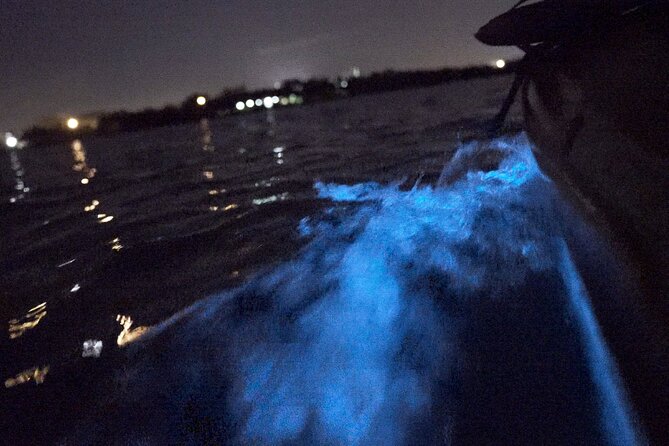
Once the group launches, the outing becomes a slow paddle through dark water. You will rely on the guide’s directions and safety light, and you may hear more than you see at first. That change in pace is part of the experience. Give your eyes time to adjust and keep your attention on the water around you.
The guide may point out fish, jumping mullet, dolphins, or manatees if they are nearby. None is guaranteed, but sightings can add an unexpected dimension to the trip. A manatee surfacing close to a kayak can make its size suddenly clear; a fish jumping beside you can be startling in the dark. Keep a little space and follow your guide’s instructions around wildlife.
The paddle is not described as strenuous, and many beginners find it manageable. Still, do not assume every outing will be a gentle float. One family found the water a little rough and the distance tiring, while other trips were calm and easy. If you are unsure about your stamina, ask the operator about the expected conditions and route for your date.
More kayak and paddle trips around Cocoa Beach:
- Thousand Island Mangrove Tunnel, Manatee & Dolphin Kayak Tour w/Cocoa Kayaking
★ 5.0 · 923 reviews - Manatee and Dolphin Kayaking | Wildlife Refuge (Titusville)
★ 5.0 · 241 reviews - Manatee and Dolphin Kayaking Encounter
★ 5.0 · 219 reviews - Wildlife Refuge Manatee, Dolphin & Mangrove Kayak or Paddleboarding Tour!
★ 5.0 · 210 reviews
Watching the water come alive
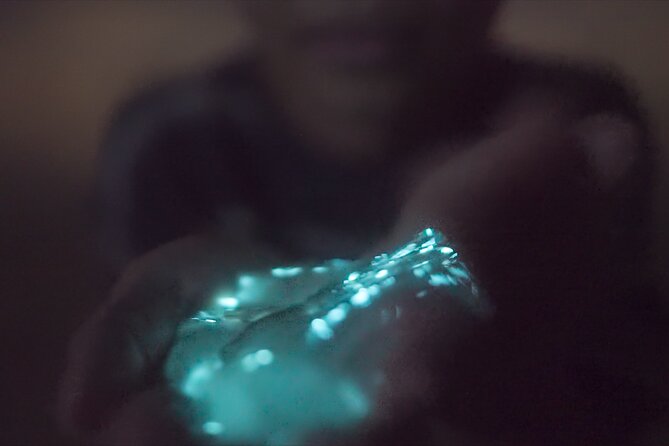
The most memorable moment may be a strong bloom of glowing plankton, but the smaller encounters can be just as compelling. In summer, the dinoflagellates create a soft, diffuse glow rather than a neat, steady beam. You see it when the water is disturbed, so a paddle stroke or movement near the surface may reveal more than simply staring into the dark.
In winter, keep an eye out for comb jellies. Their glow is more individual, and the possibility of seeing one at close range gives the colder season its own appeal. If the guide offers the chance to handle one, follow their directions and do so gently. The creatures do not sting, but this is still a wildlife encounter, not a souvenir stop.
The show can be modest. In December and January, some outings have seen only a few jellies or a light sprinkle of bioluminescence. Other nights have brought bright displays, and one particularly favorable trip combined glowing water with jumping fish and marine life. That spread is a useful reminder: a date in the right season raises your chances, but it cannot promise a particular intensity.
Why the guide can make the difference
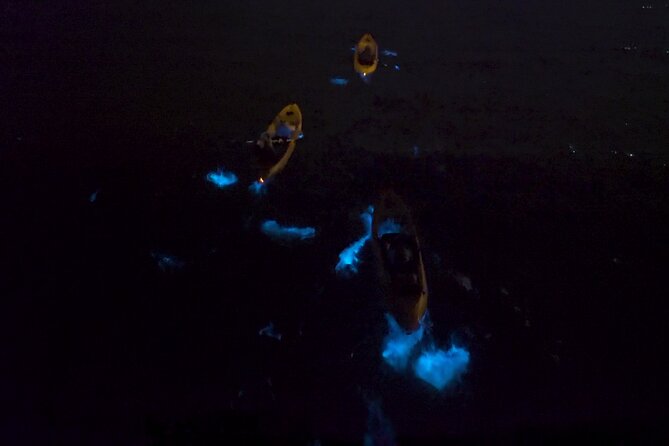
In darkness, a guide does more than steer the group. They explain what causes the glow, help you identify wildlife, and keep the kayaks moving together. That guidance matters even more if you have never paddled before or are uneasy about being on the water at night.
The most highly praised guides combine natural-history explanations with steady, practical support. Sean has been described as going into the biology in detail, while Aidan helped a first-time kayaker feel at ease before launch. Caleb has been credited with explaining local ecosystems, and Zoey with adjusting to the group’s energy and lending assistance when conditions changed.
Good guiding cannot make the organisms appear, but it can give you something worthwhile to notice if the glow is faint. Ask questions, listen for the guide’s directions, and keep a steady pace. If you are booking for a family or a group with mixed paddling experience, mention that ahead of time.
Photos, value, and a few sensible expectations
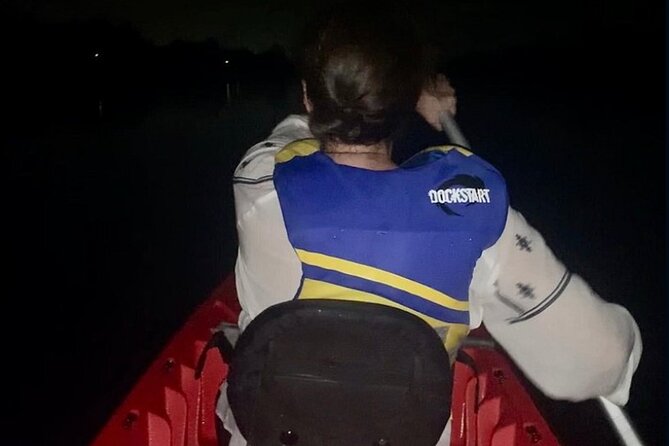
A camera or dry bag is optional, but do not count on getting a clear photograph of the bioluminescence. Low-light images often fail to capture what your eyes see on the water. A camera may be more useful for photos of your group before or after the paddle, when there is enough light.
The value of this outing rests on more than the glow. The two-hour experience includes the kayak, paddle, flotation device, and guide, and combines an unusual night activity with a chance to learn about the lagoon. When the bioluminescence is bright, it can feel like an extraordinary use of an evening. When it is faint, you are paying for a guided paddle and a chance to encounter wildlife, not a guaranteed light display.
The operator is A Day Away Kayak Tours. Free cancellation is available up to 24 hours before the start time for a full refund; cancellations made less than 24 hours ahead are not refunded. Wind or other conditions can affect whether a trip goes ahead, so ask the operator directly about their refund arrangements if weather is a concern.
Should you book this Cocoa Beach kayak tour?
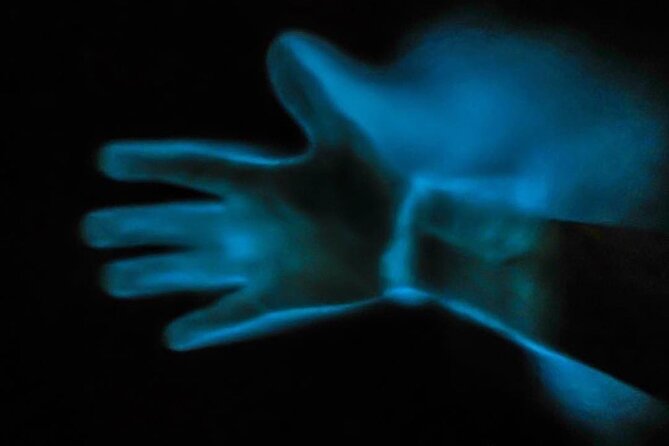
Book it if you are open to a night on the water even when the glow is subtle. Summer is the better fit if your priority is dinoflagellates and a broad blue-green shimmer. Winter is worth considering if the idea of seeing comb jellies up close appeals more, and you are comfortable with a quieter display.
I would be cautious if you need a guaranteed, brilliant bioluminescence show or dislike paddling in darkness. For curious families, first-time kayakers, and anyone who enjoys learning about wildlife, this can be a memorable change from the usual Cocoa Beach outing. Check current conditions, confirm the meeting details, and dress for getting wet. If you go expecting a real nature experience rather than a staged spectacle, you are more likely to appreciate the night.
FAQ
How long is the bioluminescence kayak tour?
The tour lasts about two hours and ends at the same meeting point where it begins.
Where does the tour start?
The stated meeting point is 951 Kiwanis Island Park Road, Merritt Island, Florida 32953. Confirm the exact meeting instructions and location with the operator before you go.
What is included?
The tour includes a kayak, paddle, flotation device, and professional guide. A safety light is provided.
What should I wear and bring?
Wear clothes you do not mind getting wet and water-friendly shoes, such as sandals or Crocs. Bring water, snacks, a towel to leave in your car, and an extra change of clothes if you want one.
When is the best season to see bioluminescence?
Dinoflagellates are in season from May to early November, while comb jellies are most likely from late November to April. The amount of visible glow varies with conditions.
Can I cancel for a refund?
You can cancel at least 24 hours before the start time for a full refund. Cancellations made less than 24 hours before the experience are not refunded.
Just added around Cocoa Beach
- Wildlife Refuge Dolphin, Manatee & Mangrove Kayak or Paddleboarding Tour!★ 5.0 · 11 reviews
- Wildlife Refuge Sunset Dolphin, Manatee & Mangrove Kayak or Paddleboarding Tour!★ 5.0 · 20 reviews
- Private Transportation from Port Canaveral Cocoa to MCO Airport★ 5.0 · 9 reviews
- One Tandem Kayak Rental for 2 hours with Manatee & Dolphin sightings!★ 4.5 · 13 reviews
- Wildlife Refuge Bioluminescent Kayak or Paddleboard Tour!★ 5.0 · 10 reviews
- Dolphin and Manatee Clear Kayak or Paddleboard Tour★ 5.0 · 23 reviews
- 2 Hour Guided Sunset Boat Tour of the Indian River Lagoon★ 5.0 · 19 reviews
- Sunset Kayaking w/ Florida Bioluminescence Combo Tour | Haulover canal★ 4.5 · 29 reviews
Cocoa Beach Bioluminescence Tours, compared on price.
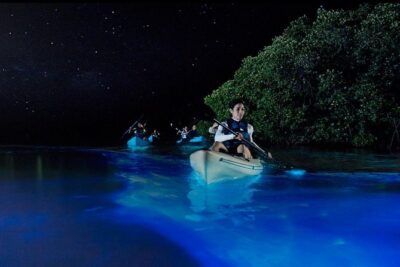
Bioluminescence Night Kayaking Tour of Merritt Island Wildlife Refuge
Read our review →
Florida Bioluminescence Kayaking Tour (Titusville)
Read our review →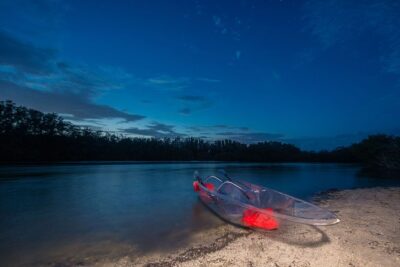
Bioluminescent Clear Kayak Tours in Titusville
Read our review →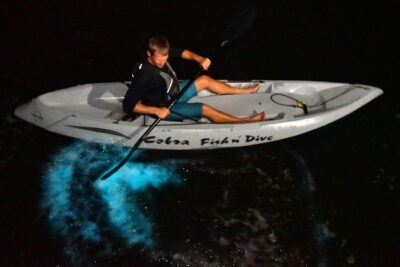
Bioluminescent Kayak Tour by THE #1 Rated Company in Cocoa Beach
Read our review →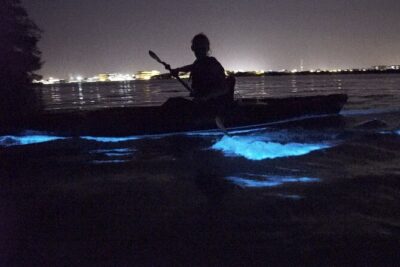
This tour also shows up in